
Revealing the science inside skilled work.
CTE is applied science. America's perception — not its potential — needs to change.
The science is already there. We're making it visible.
Too often, career and technical education is framed as "hands-on but not academic" — a fallback for students who aren't "college material." That framing is wrong, and it's costing us.
A process technology student learns thermodynamics, fluid mechanics, and chemical reaction principles before their first shift at a refinery. A construction student learns structural physics, materials science, and soil mechanics while building real things. A welding student works with metallurgy, electrochemistry, and thermal dynamics every day in the lab.
This is science. It just didn't happen in a lecture hall.
The CTE Science Alliance maps, documents, and communicates the applied science already living inside CTE classrooms — so students see a rigorous future, families give permission to choose it, and employers find the talent they urgently need.
America’s economy is straining. The talent is there. The story isn’t being told.

Across construction, manufacturing, energy, healthcare, and transportation, employers are facing workforce shortfalls that threaten long-term growth. Many young people who would thrive in these careers never seriously consider them — because CTE has been systematically undersold as a rigorous, future-facing option. When communities see CTE as serious applied science, students gain permission to choose these paths with pride. And employers gain the workforce they need to keep the country running.
Three Ways The CTE Science Alliance Shifts the Narrative
Connect: We link stories, data, and voices from CTE classrooms, communities, and industry to build a shared understanding of the science inside skilled work.
Inform: We produce science maps, infographics, and research that make the academic rigor of CTE visible and shareable across media, classrooms, and Capitol Hill.
Influence: We shape policy and public understanding through earned media campaigns, cross-industry convenings, and our flagship CTE Teach-In program.
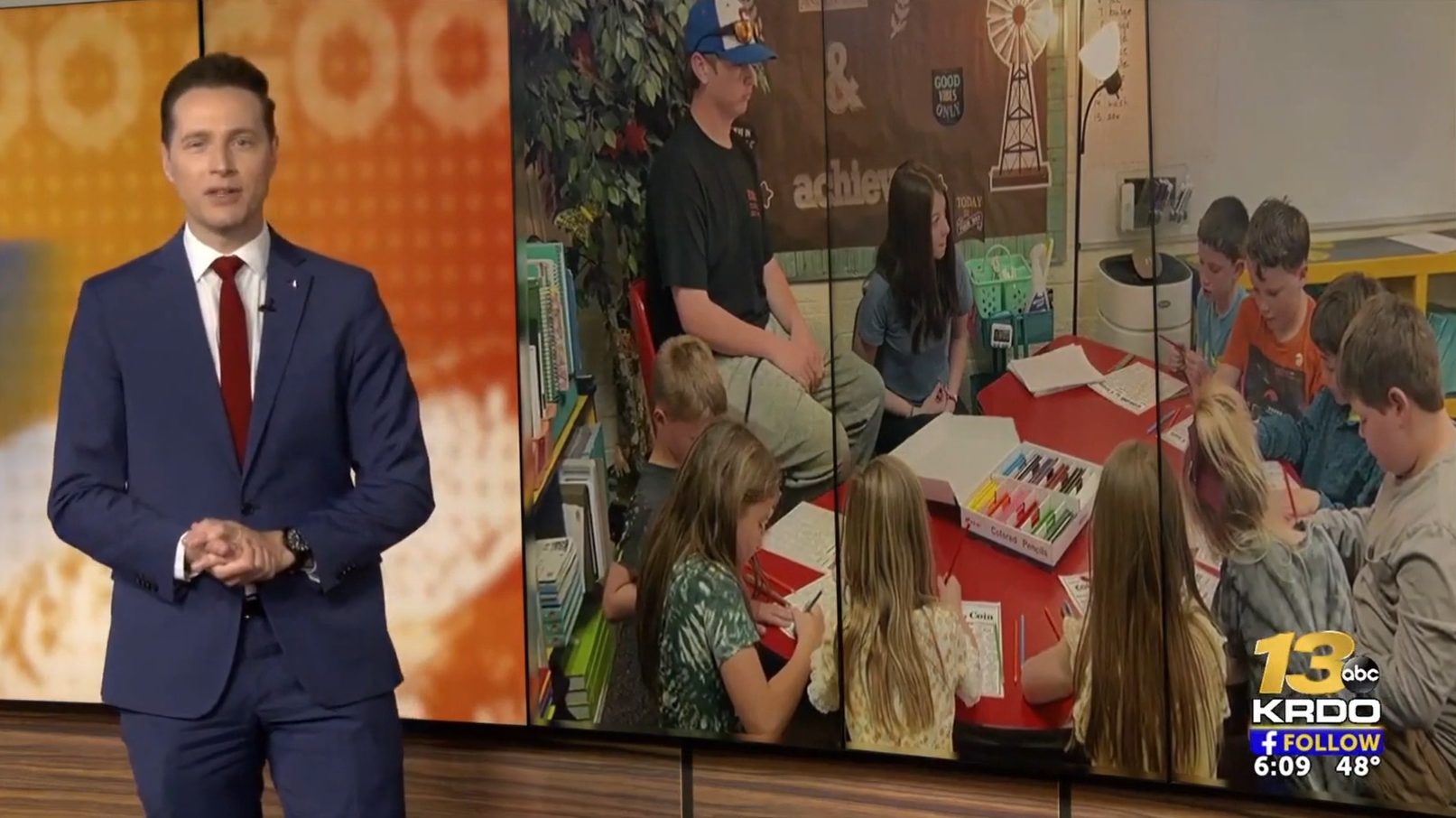
The CTE Teach-In: where the story comes to life.
CTE students — future welders, process technicians, electricians, and builders — walk into elementary and middle school classrooms and teach a hands-on applied science lesson they designed themselves. In about an hour, they demonstrate that the science they're learning is real, rigorous, and worth pursuing. The CTE students leave with formal award recognition for their portfolios. The classroom teachers are surveyed on their likelihood of incorporating applied science into future lessons. And the whole story travels through local media and social channels.
Where industry leaders come together to move the needle.
The CTE Science Alliance convenes cross-industry leaders — from trade associations, major employers, education institutions, and policy organizations — to share emerging research, compare workforce challenges, and develop shared strategies for advancing applied science in CTE. In our first year, that means a curated roundtable of roughly 25 senior leaders in Washington: an agenda anchored in our science mapping findings, Chatham House rules, and enough time for real conversation rather than prepared remarks. Participants leave with a summary of findings they can bring back to their teams — and relationships with peer leaders from industries fighting the same battle they are.

Shape the initiative from the ground up.
The CTE Science Alliance is recruiting a founding cohort of industry partners — organizations whose members most urgently need what we are building. Founding Partners don't just fund this work. They help define it.