The CTE Teach-In
Students teaching students. Science made visible. Communities changed.
CTE students go into classrooms — and teach real science.
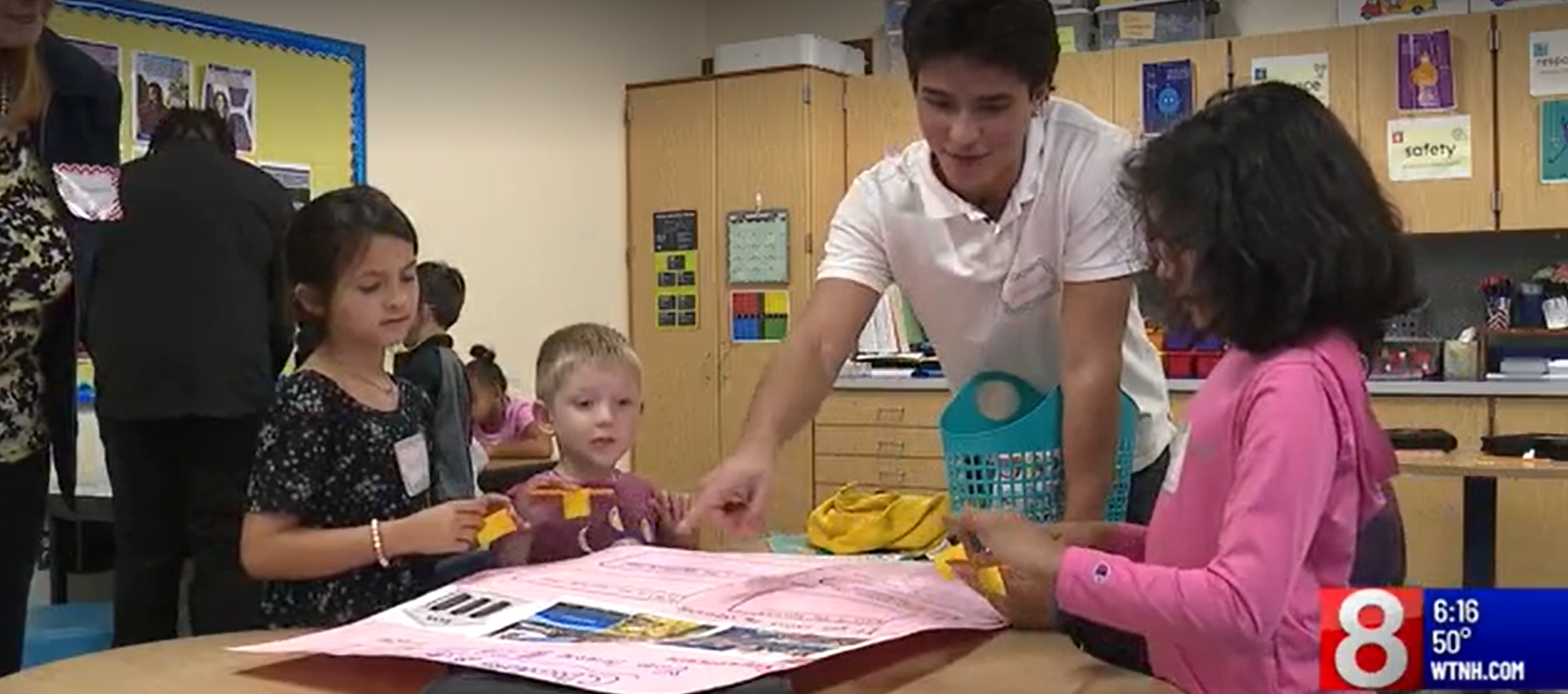
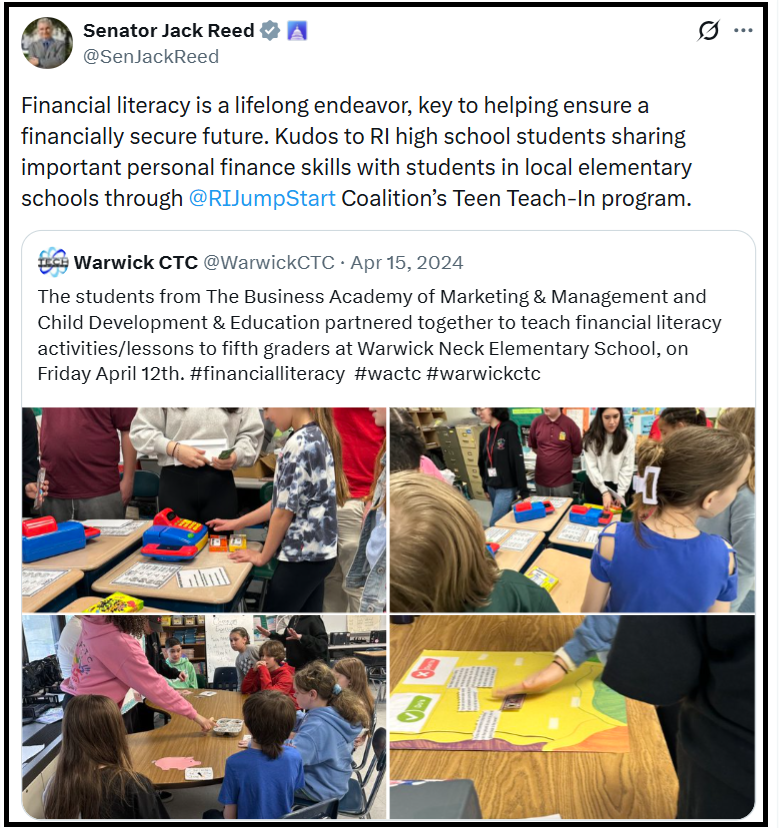
The CTE Teach-In is the CTE Science Alliance's flagship public engagement program. In each event, high school and postsecondary CTE students — future process technicians, welders, electricians, builders, and health care workers — visit an elementary or middle school classroom and teach a hands-on applied science lesson they've designed themselves.
The concept is simple and powerful: the best way to show that CTE is serious applied science is to let the students doing it teach it to someone else.
Each event runs about an hour. The CTE students arrive with a lesson plan, materials, and the scientific knowledge to back it up. They lead the class through a hands-on activity that makes an applied science concept tangible and exciting — the kind of lesson that sticks.
The CTE Teach‑In changes that story.
Recognition, measurement, and a lasting impact.
The hour in the classroom is only part of the story. What follows matters just as much.
CTE students receive formal award recognition. Every CTE student who leads a Teach-In receives a certificate of recognition — a credential they can include in their academic and professional portfolios. For students who are often overlooked as academic contributors, being formally recognized as a science educator is meaningful and lasting.
Classroom teachers are surveyed. Every host teacher completes a post-event survey assessing their experience and their likelihood of incorporating applied science into future lesson plans. This data is the initiative's measurement backbone — concrete evidence of the program's reach and influence that goes beyond media impressions.
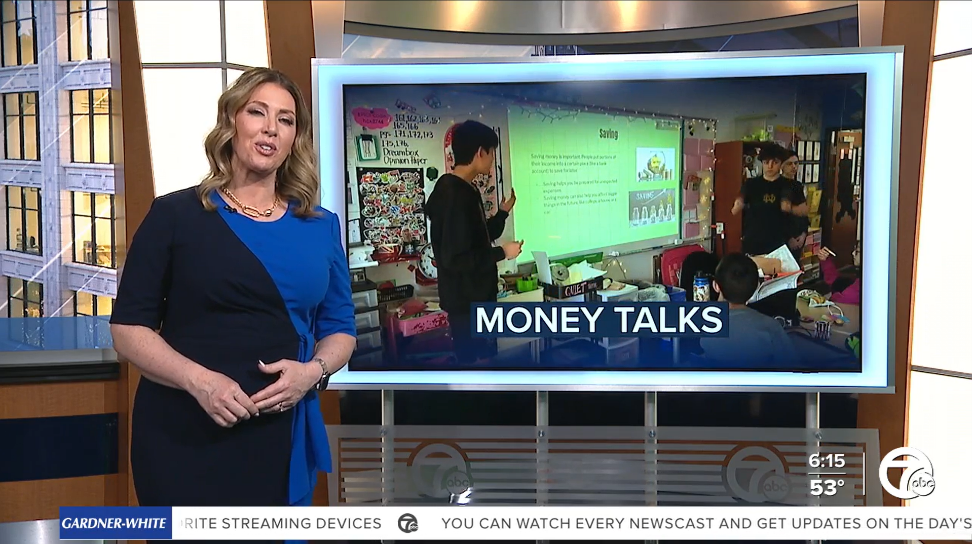
The story travels. Every Teach-In is designed with earned media in mind. Local television and newspaper coverage, district communications, industry partner social channels, and CTE Science Alliance social media amplify the event. We develop a tailored media strategy for each event — press release, local pitches, and social content — so the story reaches the audiences that matter most.
Applied science you can hold in your hands.
Every Teach-In lesson is built around a hands-on activity drawn directly from the CTE students' own coursework — the same science they're applying every day in their programs, translated into an experience a 5th or 7th grader can engage with immediately.
One example: electrical students guide a class through building a simple circuit that powers an LED using conductive materials, then challenge kids to predict what happens when they change the path of the current. The lesson covers electron flow, conductivity, and resistance — the same foundational physics behind every electrical system in every building in America.
Other lessons have included construction students leading a structural load challenge — testing which bridge designs made from everyday materials can support the most weight, and explaining the materials science and physics of tension, compression, and load distribution. Welding students have used magnetic field visualizations to explain the electromagnetic principles behind arc welding. Process technology students have demonstrated how differences in density and miscibility can separate mixtures, connecting it to how refineries isolate useful fuels and chemicals from crude oil.
These aren't simplified crafts. They're real scientific concepts, taught by people who use them.
Four things happen at every Teach-In.
CTE students become experts. Being asked to teach a subject is one of the most powerful ways to deepen understanding and build identity. CTE students who lead a Teach-In don't just demonstrate knowledge — they own it. And they leave with formal recognition to prove it.
Younger students see a future they hadn't imagined. Elementary and middle school students are at the exact moment when career interest begins to form. Meeting someone only a few years older who is doing real science — and heading toward a well-paying, intellectually serious career — is a lasting impression that no poster campaign can replicate.
Teachers are moved to change their practice. When a classroom teacher watches a CTE student explain load distribution or electron flow with confidence and clarity, it changes how they think about CTE. The post-event survey captures that shift — and holds the initiative accountable for creating it.
Communities see CTE differently. The earned media coverage a Teach-In generates tells a story that's almost impossible to manufacture: young people, from the community, teaching science, heading toward careers that keep the country running. That story changes minds in ways that advocacy alone cannot.
Bring a CTE Teach-In to your community.
Teach-In events are developed in partnership with industry sponsors, school districts, and postsecondary institutions. Founding Partners of the CTE Science Alliance receive a dedicated Teach-In event in a community of their choosing, featuring the CTE pathway most relevant to their workforce.
Every lesson is grounded in real CTE science.
Every Teach-In is grounded in the CTE Science Alliance's science mapping work. Before each event, we work with CTE instructors to identify the specific scientific concepts being taught in the featured program and design a lesson that brings one of those concepts to life for a younger audience.
This is how a process technology event becomes a thermodynamics and chemistry lesson. A construction Teach-In becomes a physics and materials science lesson. A health sciences Teach-In becomes a biology and human systems lesson. We publish the science maps for each featured pathway — making them available to educators, parents, industry partners, and policymakers. The Teach-In generates the story. The science map provides the evidence behind it.